Editor's Note: This story was originally written on April 28, 2026, and has been updated to reflect our current editorial house standards.
Solange has got everyone talking, and, of course, it’s about her hair.
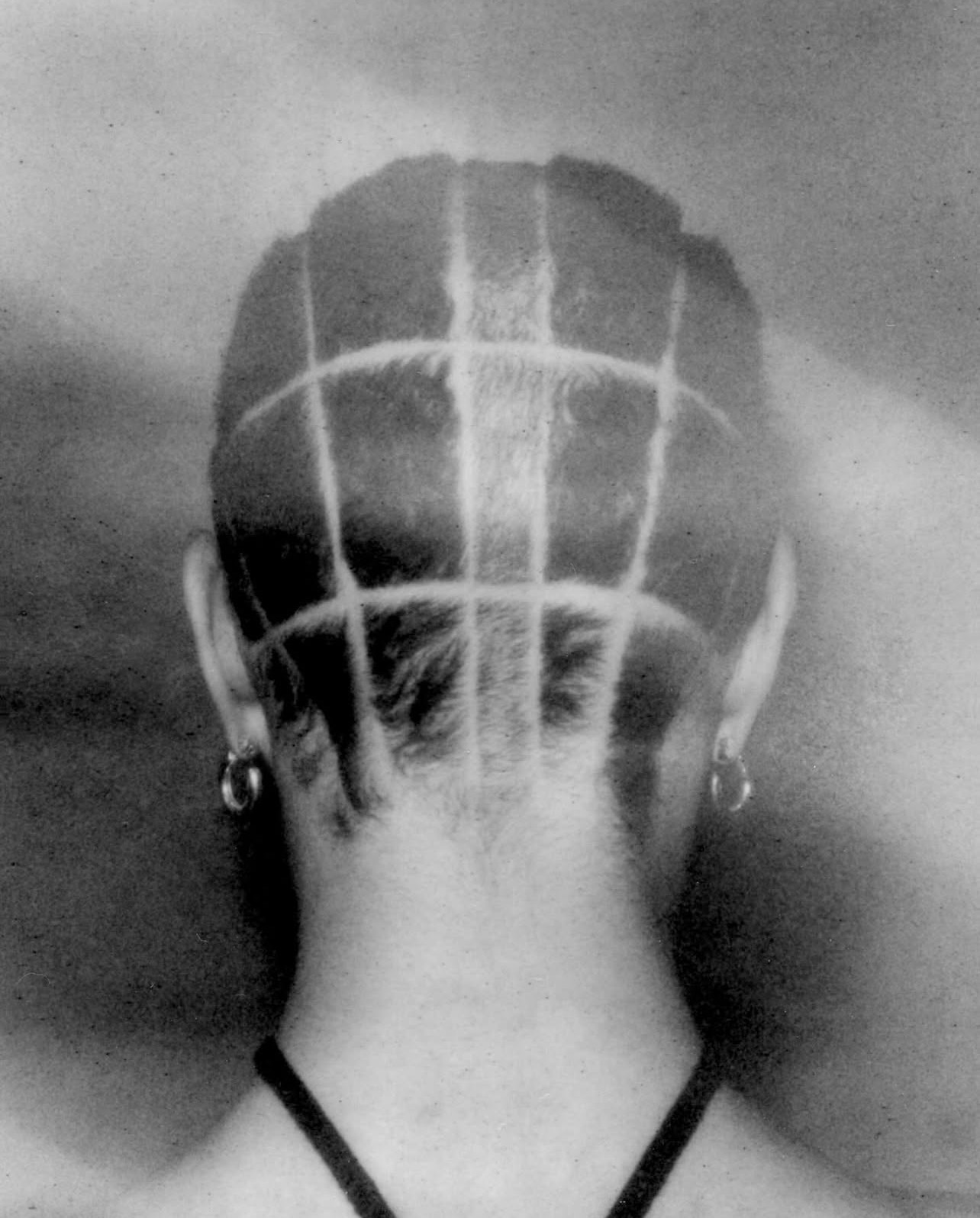
Solange Knowles is the blueprint for every alternative Black girl, and she just did a big chop that no one was expecting. Not your average cut, either, but one with phases of new growth and geometric shapes, all showing the reality of what transitioning really looks like on your scalp. With the group effort of photographer Ibrahem Hasan, makeup artist Mark De Los Reyes, and hairstylist Jacob Aaro, this captivating look came to life. The “Don’t Touch My Hair” singer isn’t new to a unique style or cut by any means, but this look is different. Solange really knows herself, and she wants you to know it, too.
In the Instagram post shared on April 21, Tina Knowles showed her daughter much love, saying that she embodied the look of an Egyptian goddess while mentioning that Solange was also conceived in Egypt. This is not the first time Ms. Tina has mentioned it, but it’s always fun to be reminded that Solange has been cool since her inception.
Photos often tell a story, and this post was not just for Instagram to see, but for Solange to communicate an idea of freedom and encourage self-expression in others. Being known for speaking on behalf of Black women and their hair specifically, this post almost felt like a signal, a red flare in the sky that we should all be paying attention to. Solange, now 40 years of age, is showing that no matter where you are in life, metamorphosis never stops, and you can always surprise yourself by being you.
This seems like not only a shedding but a return, considering the public has never seen her in this style before. It is a reintroduction, as well as an authoring of a new phase of her life and a final sharing of it with the public. For Black women, hair is a conduit for communication, not only to the world but also to ourselves. The “big chop” is more of a critical choice because you also realize the entitlement others have had over your hair this whole time. Solange’s comments section ranges from “The confidence and grace I aspire to have” and “This is not a drill, y’all” to “Oh, please” and “I know you didn’t cut your hair, girl.”
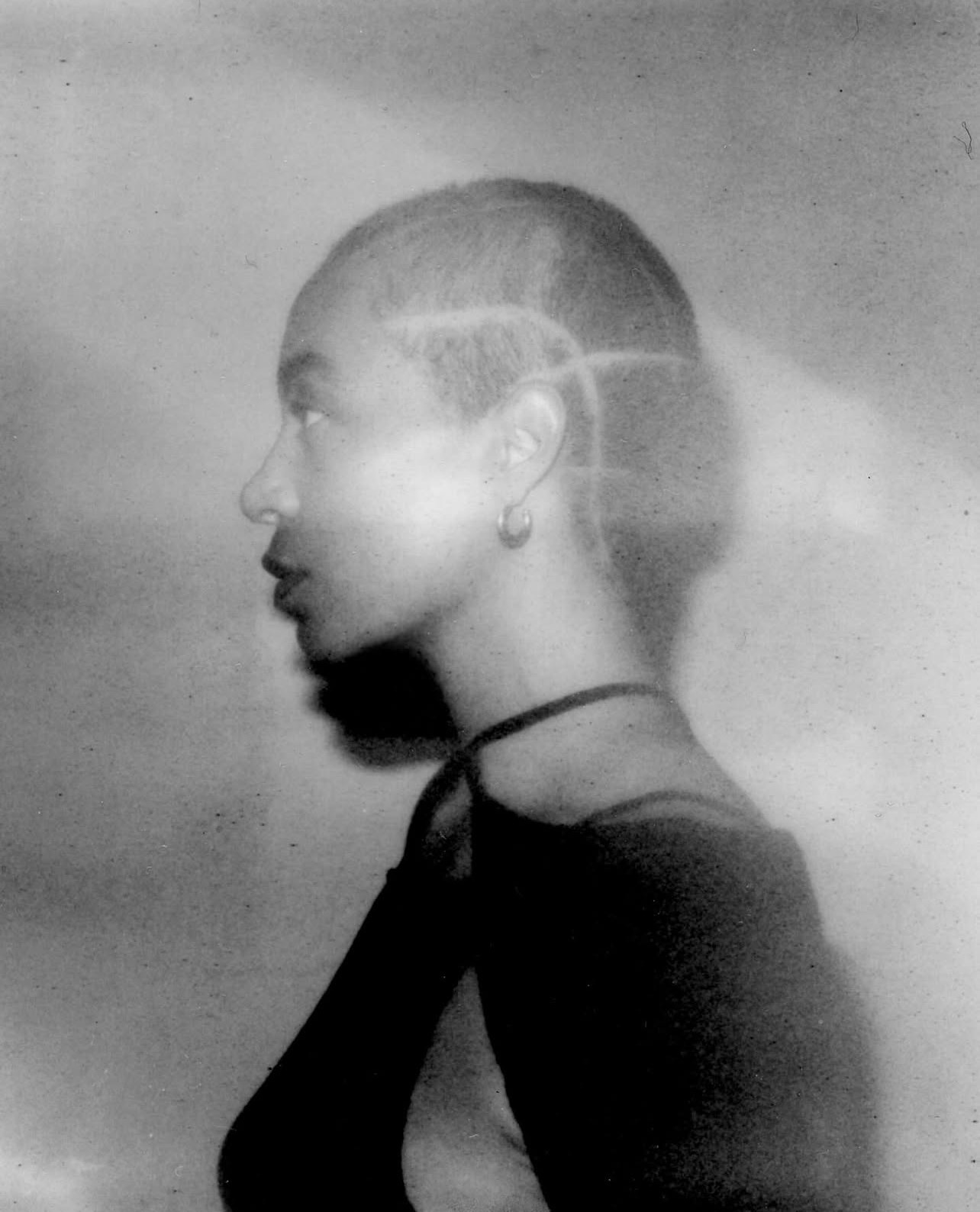
One will always get mixed reviews surrounding hair choices as a Black woman. Hair can also be seen as one of the biggest indicators of self-love. Many women fear cutting all their hair off, whether it is because their identity is easily tied to their hair, they are afraid of being seen as masculine, or they simply fear that their peers will disapprove. A big chop can be seen as a shedding and the ultimate exercise of free will for a Black woman. You know someone will have something to say, good or bad, but you don’t care because you did it for you.
All things considered, Solange’s avant-garde haircut is extremely refreshing. The political climate Americans are living in is arguably one of the worst, especially when it comes to self-expression. However, Black women and their hair are something people are constantly trying to police and are ever a topic of conversation. Solange knows the impact that her identity has on the world, not just as a public figure but as a Black woman, and she decided to share herself anyway. In a time of modern-day fascism, customizing your character is crucial. Who are you when everything around you is trying to remind you that you are anything but significant and trying to make you just another carbon copy of your peers? In a world of sameness, trying a new look could be more revolutionary than you think.
For Solange, this cut seems to be a sense of authorship of her current existence. It looks like transformation and stages of refinement. Is it time for you to enter your next hair era?